Capel Dental Maintenance Plans
Our simple care plans take the worry out of your families dental health costs
See more detailsWe understand that the appearance of teeth can affect self-esteem. We provide services to improve the appearance of teeth, such as tooth whitening and veneers, to ensure that you have a smile you love.
Teeth are stained and discoloured from the things we eat and drink in our diets. As we get older, the tooth tissues also darken, resulting in duller looking teeth.
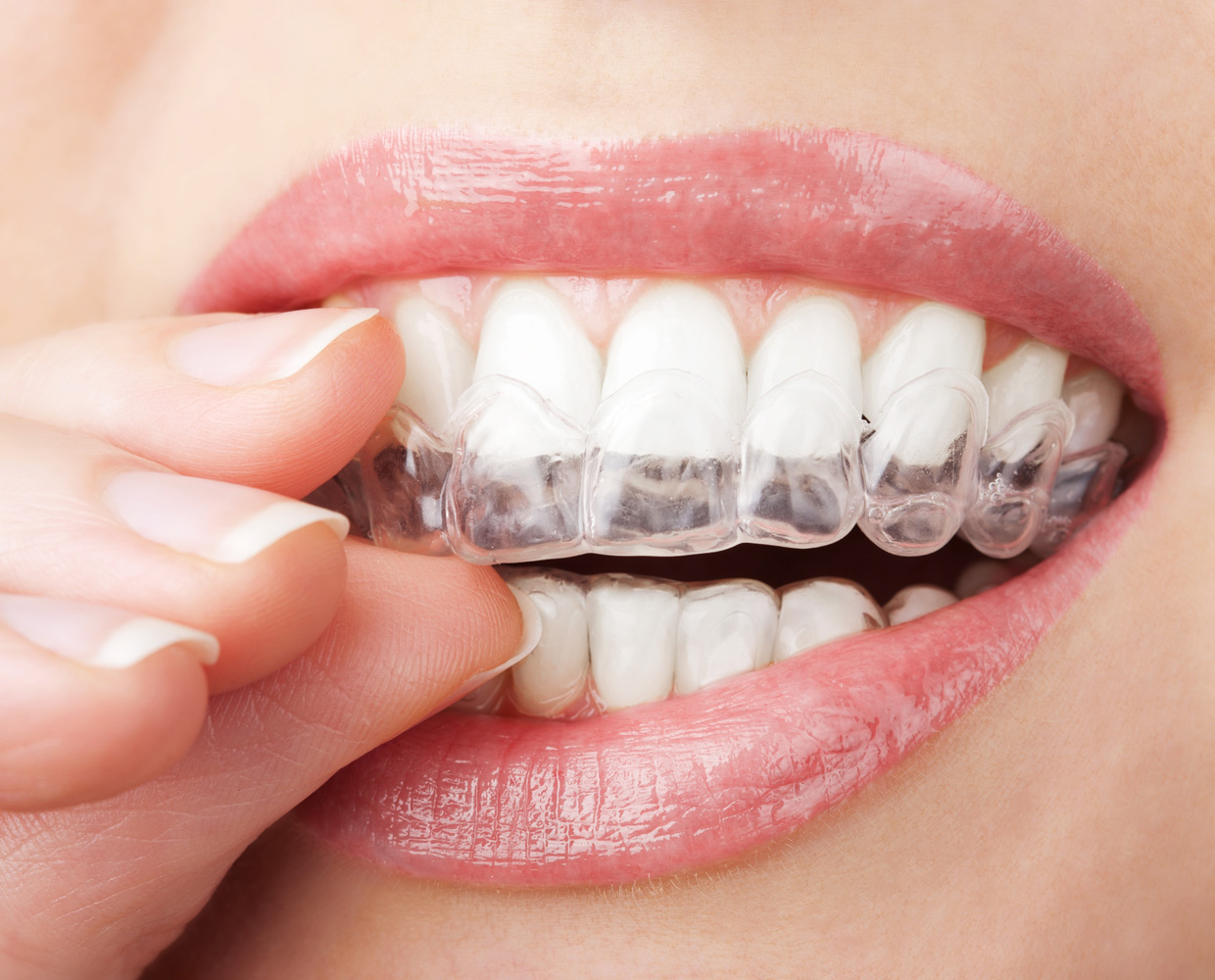
Tooth whitening is a safe, non-invasive treatment which can make your teeth whiter and brighter to really enhance your smile.
Veneers are thin coverings fixed to the surface of front teeth, which enable the shape and shade of the teeth to be changed. They can be used to mask discoloured teeth, worn down teeth, fractured teeth and can make a tooth bigger to close a space.
Minimal or no tooth preparation is required making them far more conservative than crowns.
Our simple care plans take the worry out of your families dental health costs
See more detailsIf you have any questions, or would like to book an appointment, please call us on
If you have any questions, or would like to book an appointment, please contact us.